County Records Management for Clerks, Recorders & Registers of Deeds

 County-rules indexing, verified by people who answer for it.

Your office manages records that outlive every administration: deeds, court files, minute books, and historical archives that residents, attorneys, and title companies depend on every day. Revolution Data Systems (RDS) has digitized, indexed, and preserved records for roughly 1,000 of the 3,100 counties in the United States, including deeds, court files, minute books, and historical archives. We don't hand your records to a generic template. We build indexing rules to your county's standards and verify every record by hand, so what you get back is data you can stand behind.


Gray header.png
 
Old document that is preserved

What Is County Records Management?

County records management is how county government organizes, digitizes, indexes, and preserves the permanent records it's legally required to protect, including land, court, vital, and historical records that must stay accurate and accessible for decades. It carries more legal weight than general document management: a misfiled deed or a wrong index entry breaks the chain of title, and that's a records issue an elected official has to answer for. County records management combines document digitization, document indexing, and document preservation to keep that chain intact while modernizing how staff and the public access records.

Paper-based backlogs make this harder every year. In the 12 months ending August 2022, federal agencies alone processed more than 106 billion paper forms, according to the U.S. Chamber of Commerce's Technology Engagement Center. County offices face the same paper-driven bottlenecks at a smaller scale, often with fewer resources to fix them. New recorders typically make the fastest progress by digitizing high-risk, frequently requested records first and letting lower-priority backfiles wait.


Modernizing County Records Without Losing Historical Integrity

Modernization shouldn't come at the cost of the records themselves. RDS combines document digitization with image enhancement, county-rules indexing, and document preservation, so your office gains faster public access without sacrificing the historical integrity of the originals. Sequencing this work well means modernizing access and efficiency without stalling day-to-day operations during your first year in office.

We build disaster recovery into the same process, not as an afterthought. Once records exist as verified, indexed digital files, backed by secure storage and, where needed, our Cyclone digital preservation platform, your office has a defensible copy that survives floods, fires, and failed hard drives. Digitization and preservation aren't separate projects here. They're one workflow, so nothing gets modernized at the expense of what makes the record trustworthy in the first place. Records inherited in poor condition need triage first, prioritizing the materials at greatest risk before they're lost for good.


Why Generic Indexing Doesn't Work for County Records

Generic indexing templates assume every county records in the same way. Yours doesn't. Naming conventions, instrument types, and recording standards vary from one office to the next, and a template built for someone else's county will miss what matters in yours.

RDS builds indexing rules specific to your office, then has every record checked by a person before it's delivered, whether that's a deed, a court minute book, a probate file, or a decades-old backfile in a format no software has seen before. Automation can speed up parts of this process, but land record indexing still needs human oversight to catch what AI misses, and there's a practical way to use AI without compromising that accuracy.

A mismatched index entry isn't a minor inconsistency. It can mean a record your staff can't find when a public records request comes in, or one that doesn't hold up when a title company comes looking. Building to your county's specific rules and checking the work by hand is how we keep that risk out of your office.

What We Don't Do:

  • We don't use one-size-fits-all templates for county-specific recording rules.

  • We don't lean on automation alone for court, land, or vital records that carry legal weight.

  • We don't ask your office to switch systems or adopt new software to work with us.

  • We don't hand back unchecked data and leave the cleanup to your staff.

  • We don't treat a decades-old backfile the same way we'd treat this week's filings.

 
Image of preserved stacked documents

Complete Records Management Services for Counties

RDS supports your county records program from initial assessment through long-term preservation as a single, connected workflow rather than a menu of disconnected services.

  • Records assessment: We evaluate your current records, formats, and backlog before recommending a scope of work.

  • Document preparation: Staff remove staples, unfold documents, and repair fragile pages ahead of scanning.

  • Document scanning: High-resolution document scanning captures deeds, plats, court files, and bound volumes at production scale.

  • Image cleanup: Image enhancement improves legibility on faded, damaged, or low-contrast originals.

  • County-rules indexing: We apply your county's specific recording standards to every record.

  • Human verification: Trained staff, several of them former county employees, review indexed data before delivery.

  • Quality control: Structured QA catches inconsistencies before records reach your system.

  • Software integration: We deliver data in formats compatible with the recording and records management software you already use.

  • Long-term preservation: Document preservation and Cyclone digital preservation protect records against loss, tampering, and obsolescence.


See What Professional Image Cleanup Can Recover


See the Difference Image Cleanup Can Make

Faded text, low contrast, staining, and years of physical wear can make historical records difficult to read even after they are scanned. RDS uses image enhancement to improve legibility while preserving the integrity of the original record, giving staff and the public a clearer digital copy without changing the information it contains.

Before and after image showing how RDS improves the records while preserving the original record.


Records We Help Counties Preserve

County offices manage a wide range of permanent and historical records, and each type carries its own handling and indexing requirements. RDS works with:

  • Deeds and mortgages

  • Plats and easements

  • Tax records

  • Probate files

  • Marriage licenses

  • Court records and minute books

  • Historical archives and microfilm

  • Maps and other permanent records

Whatever your office holds, we build the program around the formats and rules already in place.


Why Counties Choose Revolution Data Systems

Software-agnostic Integration

RDS works with the recording and records management systems your county already runs. You won't need to migrate platforms or retrain staff to work with us, and we support legacy and hybrid environments common in long-established Recorder and Register of Deeds offices.


A Dedicated Preservation Lab

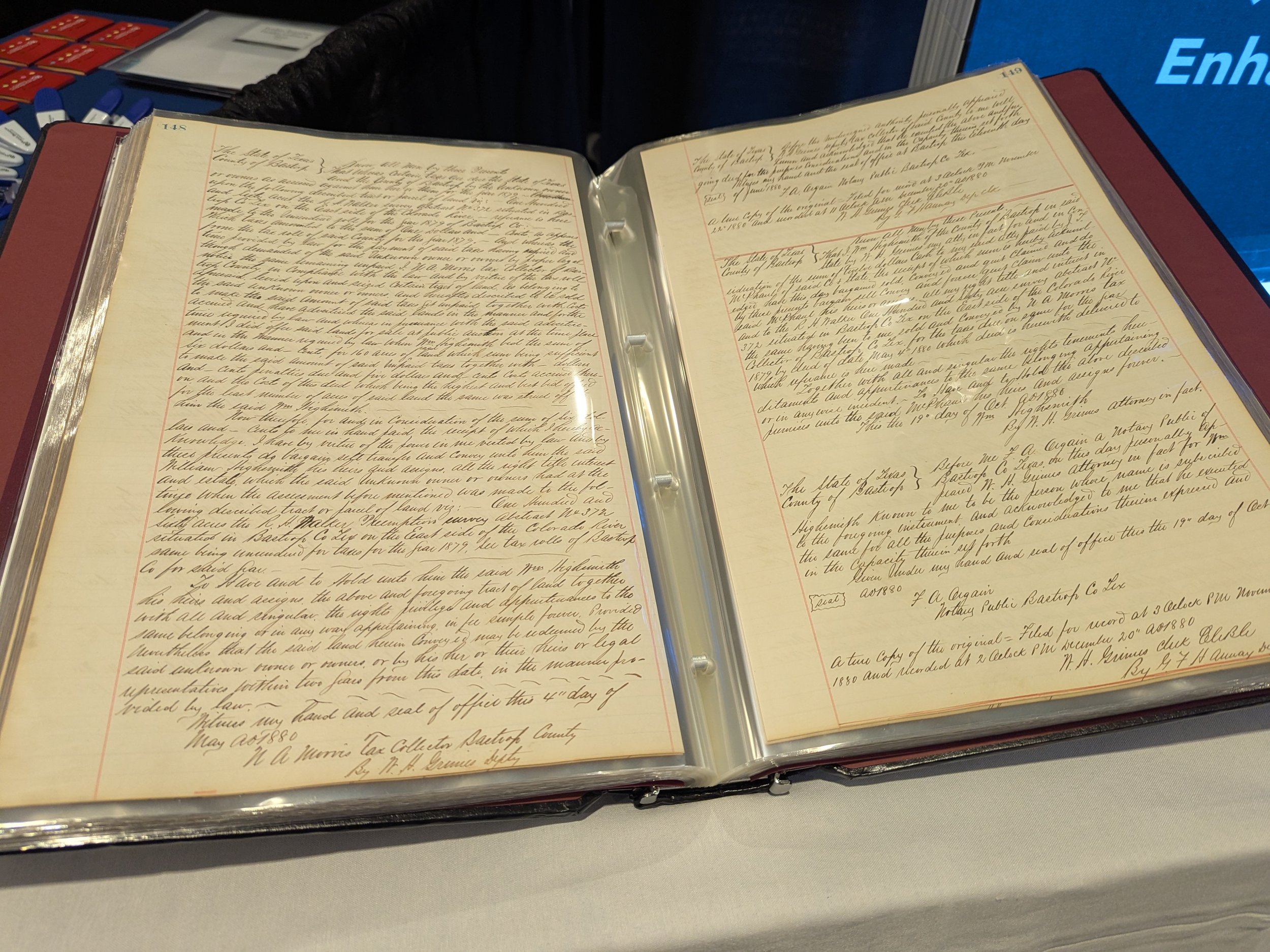
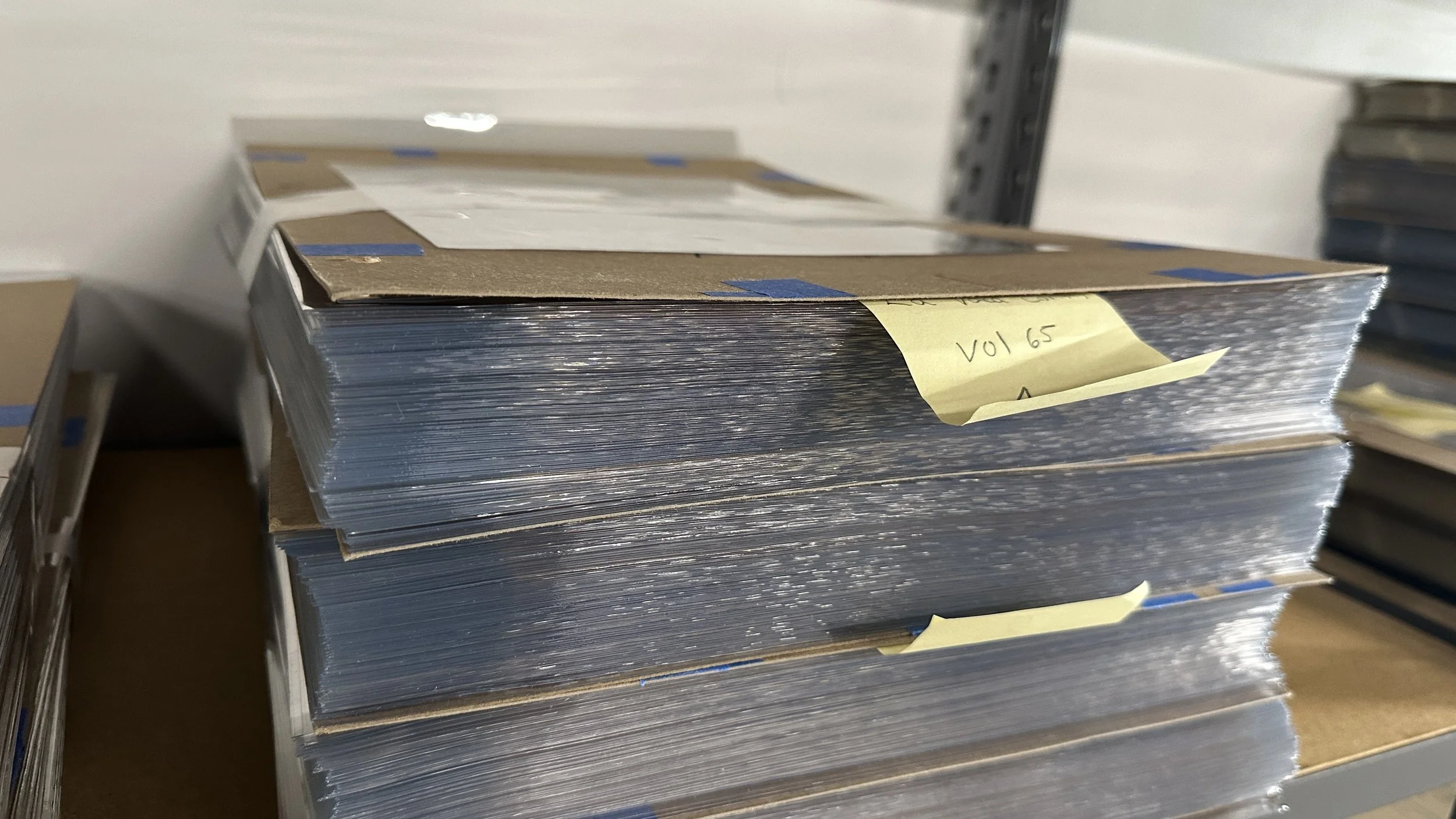
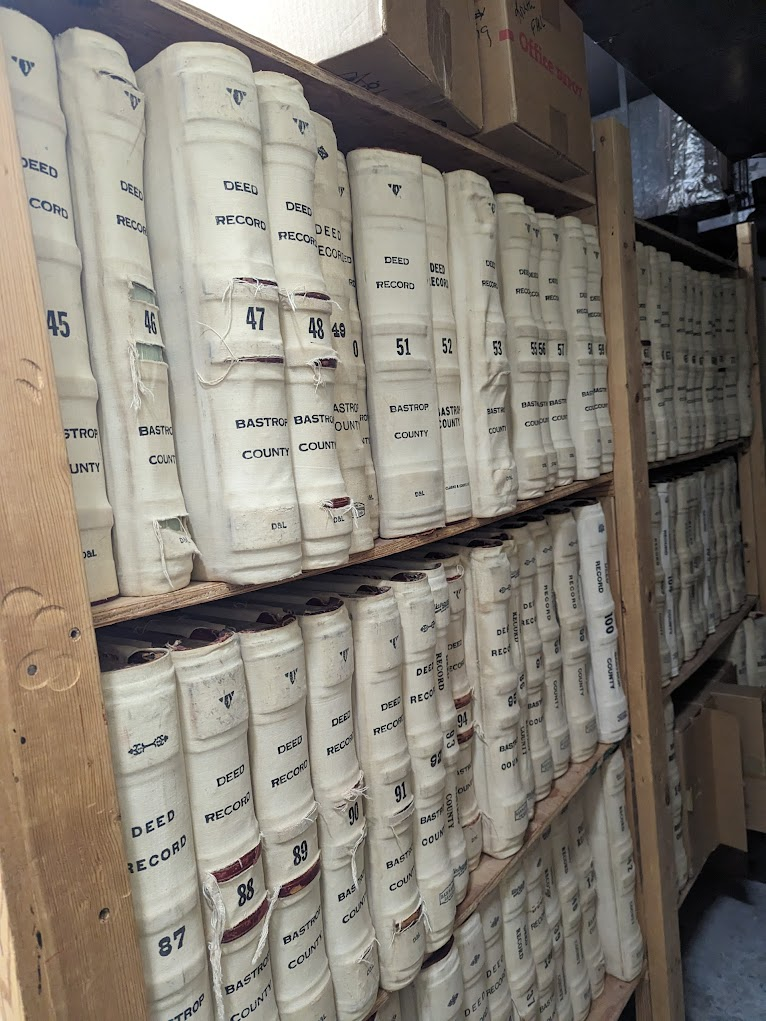
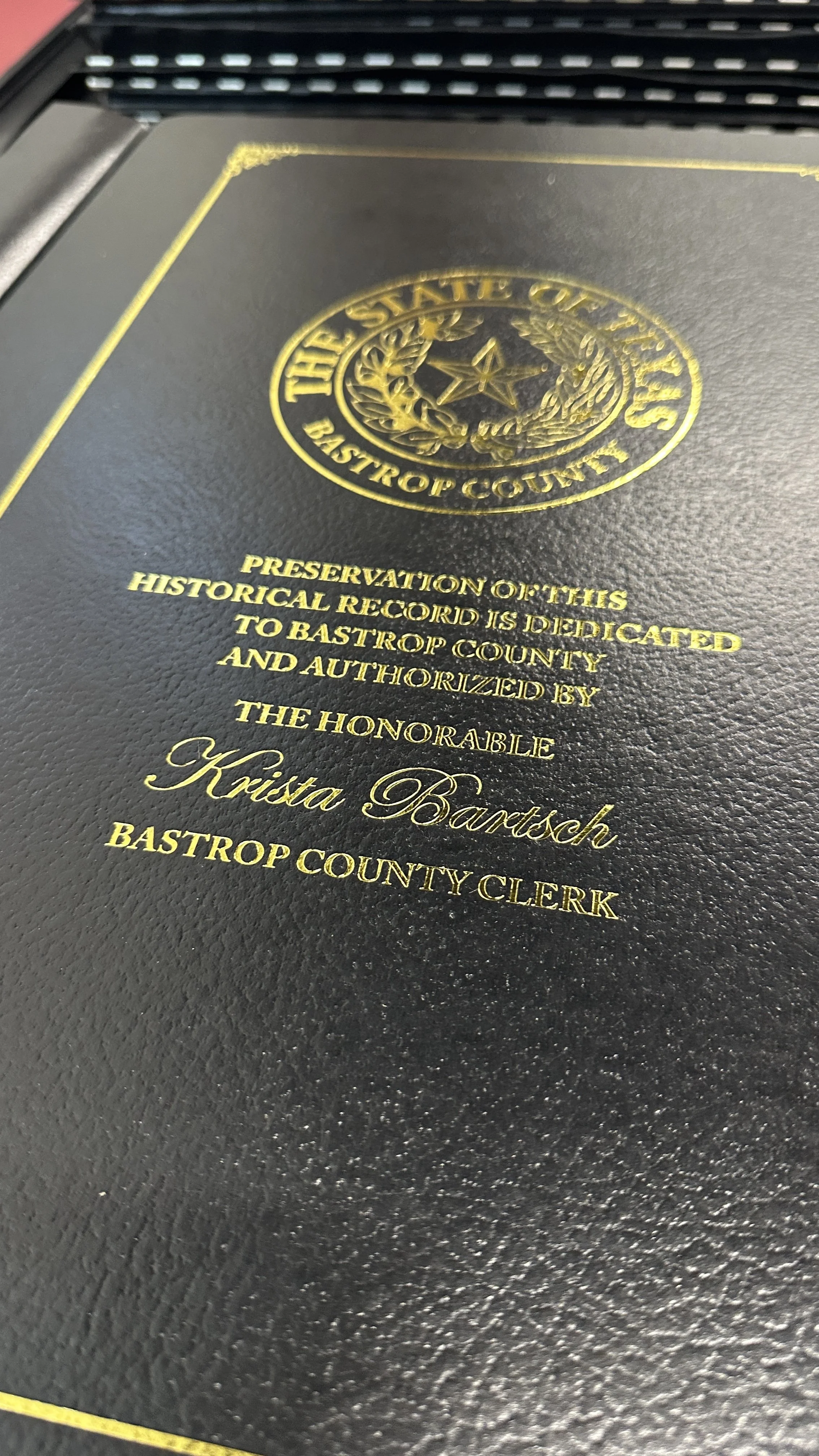
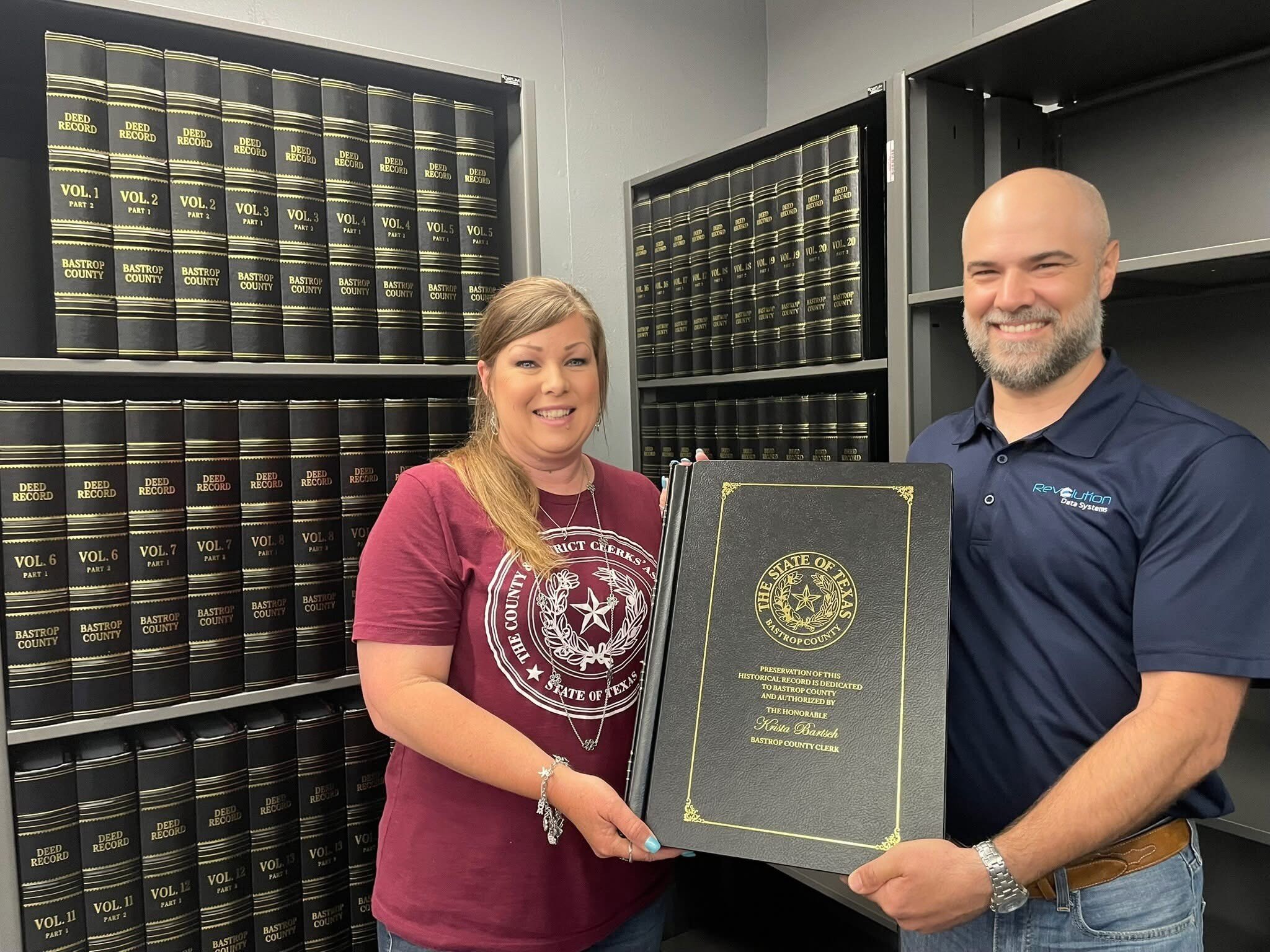
Our preservation lab in Dallas handles document preservation and restoration for fragile, damaged, or historically significant records, from stabilization through rehousing in archival-grade Mylar sleeves and custom post binders. We've used this exact process to stabilize and rehouse Bastrop County's 1880s deed books in custom binders, and to digitize and index Bolivar County, Mississippi's deed and tax lien records for faster title searches.


County Expertise, not a Generic Vendor

Several members of our team are former county employees who understand how a Recorder's or Clerk's office actually runs day to day. That experience shapes how we build indexing rules and manage every project, from a single backfile to a multiyear modernization effort. Newly elected and newly appointed officials can use their first 90 days in office to assess records, reduce risk, and set strategic priorities before committing to a larger project.

Human Verification at EVERY Step

Every indexed record passes through human review before delivery. Automation supports the work; it doesn't replace the accountability behind it.

Artboard_1.png

 Frequently Asked Questions About County Records Management

 Q: What is county records management? 

A: County records management is the process county governments use to organize, digitize, index, and preserve legally required public records. It covers land records, court records, vital records, and historical archives that must remain accurate and accessible over time.

Q: Why is records management important for county governments? 

A: Records management is important for county governments because permanent records, such as deeds and court files, carry legal weight that affects property rights, court proceedings, and public trust. Poor indexing or lost records can disrupt title searches, delay legal proceedings, and expose a county to compliance risk.

Q: How do counties digitize historical records? 

A: Counties digitize historical records by preparing fragile materials for scanning, capturing high-resolution images, applying county-specific indexing rules, and verifying the resulting data before it moves into a records management system. Historic backfiles often need restoration work before scanning can even begin. 

Q: What is the difference between document management and records management? 

A: The difference between document management and records management is scope and legal weight. Document management covers day-to-day file organization, while records management applies to records with retention requirements, legal significance, and long-term preservation obligations, such as deeds and court files.

Q: How are land records preserved? 

A: Land records are preserved through a combination of physical preservation, such as rehousing fragile originals in archival-grade materials, and digital preservation, which creates verified, indexed digital copies stored on secure, format-neutral platforms like Cyclone.

Q: Can microfilm records be digitized? 

A: Microfilm records can be digitized. RDS converts microfilm and microfiche into high-resolution digital images, then applies county-rules indexing so the converted records stay searchable alongside newer digital filings.

Q: How long should counties retain public records? 

A: How long counties should retain public records depends on state-specific retention schedules and the record type. Most states publish official retention schedules for land, court, and vital records, and your county's records management program should follow those specific requirements.

Two people holding up a book of the state of texas

Ready to Modernize Your County's Records?

If your office is managing backlogs, inconsistent indexing, or records vulnerable to loss, a records management assessment is the place to start. RDS will review your current records, formats, and systems, then recommend a scope tailored to your county's specific rules. You'll come out of it with a clear picture of your current risk and cost, along with a recommended scope you can bring straight to your commissioners or board when it's time to make the funding case. If it would help move that conversation forward, we're glad to walk your board through the findings directly.