Preserving the Records You Inherited—Protecting At-Risk Materials and the History They Hold
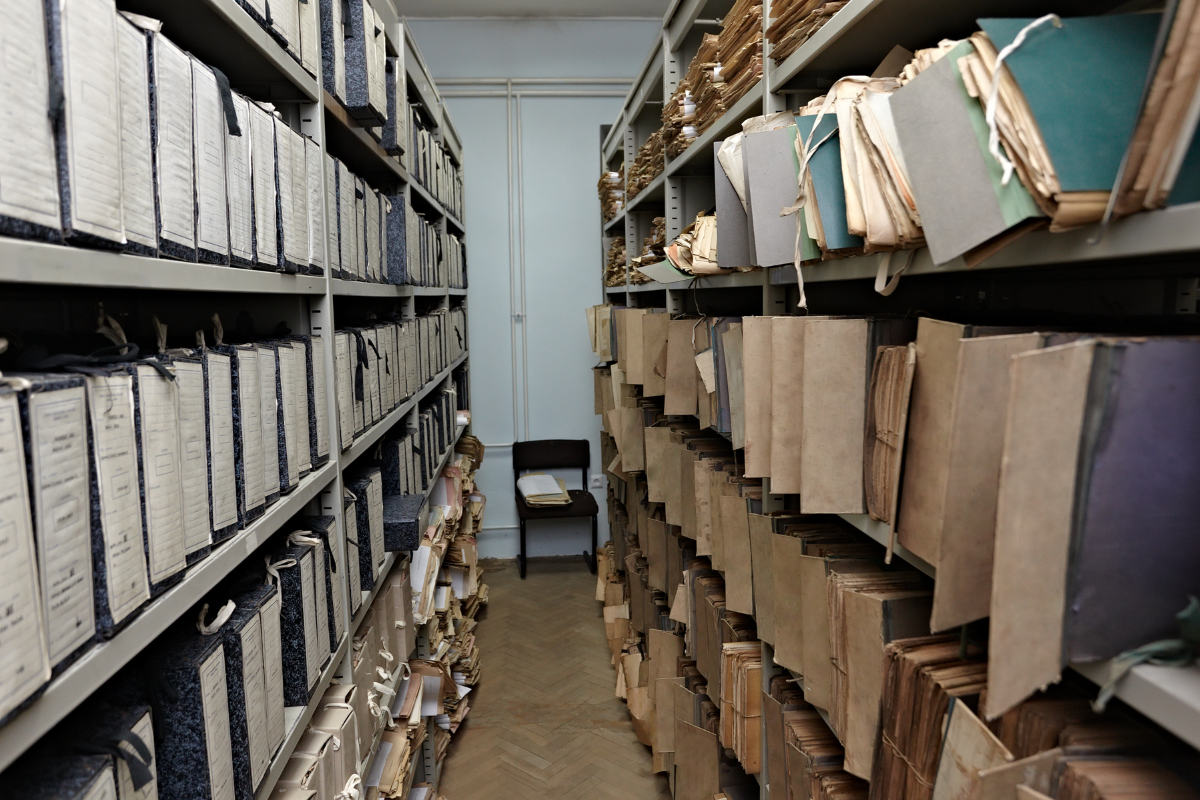
If you've recently taken office as a county recorder, you've inherited more than a title. You've inherited bound volumes with cracked spines, paper that crumbles at the edges, ink that has faded to near-illegibility, and storage conditions that range from adequate to alarming. That's the operational reality for most new recorders—and it's nothing to be ashamed of.
What matters now is how you respond. And the answer isn't panic—it's a plan.
Understanding your government records preservation priorities is the foundation of responsible stewardship. Preservation isn't a crisis response. It's a structured, risk-managed process that protects legal continuity, public access, institutional memory, and your office's long-term ability to modernize. Done right, it doesn't compete with modernization—it enables it.
Key Takeaways
Risk, not age, drives preservation priority. The most-used records are often the most at risk, regardless of age.
Physical condition is the first indicator of urgency. Failing spines, brittle paper, and fading ink signal immediate action—not eventual action.
Stabilization comes before restoration. Stopping deterioration is always the first step; repair comes later.
Digitization reduces handling but doesn't replace physical preservation. Digital access protects originals; it doesn't substitute for archival records protection.
Preservation can—and should—be phased. Multi-year planning aligned with budget cycles reduces risk without requiring large capital expenditures.
Environmental controls are a low-cost, high-impact starting point. Temperature, humidity, and light management protect records without major investment.
What Records Should Recorders Preserve First?
Prioritize records based on risk, not sentiment. The materials most likely to suffer irreversible damage—combined with those in highest operational demand—should move to the front of your preservation queue. Usage frequency and physical vulnerability matter more than historical age.
The instinct to protect the oldest records first is understandable. But it's the wrong instinct. A deed book from 1940, requested a dozen times a week, is at far greater risk than a perfectly stored plat from 1890 that rarely leaves the shelf.
Every time someone handles a fragile document—opens it, photocopies it, or carries it across a room—it sustains microscopic damage that compounds over time. Fragile land records and heavily accessed bound volumes are among the most vulnerable materials in any recorder's office, sitting at the intersection of physical fragility and high operational demand.
Your preservation sequence should be built around three questions: How often is this record accessed? What is its current physical condition? What is the legal or operational consequence of losing it? Records that score high on all three demand immediate attention—regardless of their age.
Why Is Physical Condition More Important Than Historical Significance?
A record's historical importance is irrelevant if it becomes unreadable. Physical condition determines how much time you have before deterioration becomes irreversible.
Recognizing the warning signs
You don't need a conservator to identify records in trouble. The indicators are visible:
Failing spines on bound volumes—pages that are loose, detached, or pulling away from the binding
Brittle or cracking paper that fractures when flexed or turned
Ink transfer or fading—text that has migrated to adjacent pages or lightened to near-illegibility
Discoloration or staining—signs of past moisture exposure or acidic degradation
Records lacking protective housing—materials stored loose, unboxed, or in non-archival folders
Preservation, stabilization, and restoration—what's the difference?
These three terms represent distinct phases of care that should always follow the same sequence:
Preservation is the broad practice of preventing further deterioration through environmental controls, proper housing, and handling protocols.
Stabilization is the immediate intervention that stops active damage—securing a detached cover, boxing an unprotected volume, correcting a humidity problem.
Restoration is the more intensive process of repairing or reversing damage that has already occurred.
RDS document restoration services follow this exact sequence—arresting deterioration before any repair work begins. Stabilization always comes first. Attempting restoration on an unstabilized record risks compounding the damage.
Checklist: Where Should Preservation Begin?
Use this list as a starting point for your initial condition assessment. Any record that meets one or more of these criteria warrants priority attention:
Records in visibly deteriorating condition (cracked paper, detached pages, faded ink)
Frequently requested documents or high-traffic bound volumes
Bound volumes with failing or broken spines
Paper showing brittleness, cracking, or advanced yellowing
Records exposed to unstable environmental conditions (fluctuating temperature, humidity, or light)
Materials lacking protective housing (unboxed, unfoldered, or stored in non-archival containers)
Records with no digital backup or surrogate copy
How Does Digitization Support Preservation Priorities?
Digitization reduces the physical handling of fragile originals—and that reduction directly extends their lifespan. But a digital copy is a surrogate, not a substitute. Physical archival records protection remains a legal and institutional obligation.
When a document is available online, staff and the public don't need to pull the original from the shelf. That reduced contact translates directly into reduced wear. For heavily used records such as deed books and grantor-grantee indexes, digitization can dramatically extend the useful life of the physical record, expand public access, and support transparency.
Digitization improves access. It does not replace the original. Physical documents retain legal evidentiary value that digital surrogates may not fully replicate in all jurisdictions. RDS's records management solutions are built around this reality—digitization and physical preservation planned together, not in sequence.
Can Preservation Be Phased Across Multiple Budget Cycles?
Yes—and for most county offices, phasing is not just acceptable; it's the right approach. A well-structured, multi-year plan aligned with procurement cycles is more sustainable and defensible than a compressed, capital-intensive project.
A phased preservation approach allows your office to prioritize the highest-risk materials first, align major expenditures with budget cycles, build internal capacity over time, and demonstrate steady progress to county leadership.
Start with a condition assessment of your holdings. Categorize records by risk level—high, medium, and low—based on physical condition, access frequency, and legal significance. Use that assessment to sequence your interventions across two to four budget cycles, with defined deliverables and clear connections to your modernization goals.
Phased execution reduces risk, builds internal confidence, and keeps preservation moving forward without requiring your office to absorb everything at once.
What Role Do Environmental Standards Play in Protecting Records?
The storage environment is one of the most cost-effective preservation tools available. Temperature instability, excessive humidity, and light exposure all accelerate deterioration—often invisibly, until the damage is already significant.
For paper-based collections, the Smithsonian Institution Archives recommends a temperature range of 35–65°F and a relative humidity of 30–50%. The Society of American Archivists recommends 60–70°F and a relative humidity of 40–50% for working environments. Fluctuation matters as much as the baseline—rapid swings cause materials to expand and contract repeatedly, accelerating brittleness and adhesive failure.
Meaningful environmental improvements are achievable within most budget constraints: keep storage areas away from exterior walls and heat sources; address moisture intrusion; limit UV exposure; and box unhoused records in acid-free containers. That last step alone can meaningfully slow deterioration for at-risk materials.
What’s the Biggest Preservation Mistake New Recorders Make?
The biggest mistake new recorders make is treating preservation as a matter of historical importance rather than an operational risk, often overlooking high-use volumes that are deteriorating faster due to constant handling.
Other common missteps include attempting restoration before stabilization, treating preservation and modernization as separate tracks, and deferring action until budgets improve. Records that are actively degrading don't pause during procurement cycles.
Preservation is fundamentally about sequencing and risk management. The right question isn't "which records are most important?" It's "which records are most at risk of irreversible loss—and what do we do first?"
Preservation and Modernization: Two Sides of the Same Strategy
Preservation decisions outlive the leadership terms in which they're made. The choices you make today about which records to stabilize, which volumes to digitize, and how to structure your storage environment will shape what your successors inherit—and what the public can access decades from now.
Revolution Data Systems (RDS) works with county recorders, clerks, and registers of deeds across the country to assess record conditions, sequence preservation interventions, and align physical and digital preservation with realistic budget and procurement timelines. RDS's digital preservation platform—built on the OAIS framework—ensures digitized records are protected, accessible, and future-proof alongside the physical originals they support.
Build a Smarter Preservation Plan
Preservation is not about rescuing everything at once. It's about knowing what's at greatest risk, understanding why, and taking structured action in the right order.
When you approach your inherited records through the lens of risk management rather than historical sentiment, preservation becomes a manageable, defensible, and strategically sound process. It protects legal continuity, supports public transparency, builds constituent trust, and creates the stable foundation every modernization initiative depends on.
Start with what's most at risk. Build a plan that's realistic for your budget and your team. Treat preservation not as a separate project but as the foundation on which everything else is built.
You don't have to figure this out alone. RDS helps recorder offices assess inherited record conditions, identify the highest-risk materials, and develop phased preservation strategies that align with modernization goals and real-world budget constraints.
Connect with RDS to begin a preservation assessment for your office.
Frequently Asked Questions
Do recorders need to preserve all records immediately?
No. Preservation resources are finite, and applying them without a risk-based sequence dilutes their impact. The right approach is triage—identify which records face the greatest physical risk, highest operational demand, and most significant legal consequences if lost, then sequence your interventions accordingly.
Are older records always the highest priority?
No. Age is not the primary indicator of risk—physical condition and usage frequency are. A deed book from the 1950s, requested daily for decades, may be in far worse condition than a carefully stored plat from the 1880s. Preservation priority should be based on evidence of deterioration rather than on the calendar.
Can preservation be phased over multiple fiscal years?
Yes, and for most county recorder offices, a phased approach is the most operationally sound strategy available. A plan built around condition assessments, risk categories, and realistic budget alignment enables your office to make steady, defensible progress over 2 to 4 cycles without compressing everything into a single budget year.
Is stabilization different from restoration?
Yes—and the sequence matters. Stabilization stops active deterioration first: securing detached covers, boxing unprotected volumes, and correcting environmental conditions. Restoration repairs damage that has already occurred and should only follow once the underlying cause of deterioration is addressed.
Does digitization replace physical preservation?
No. Digitization creates access surrogates that reduce handling of physical originals—but it does not replace their legal or archival status. Physical documents often retain evidentiary value that digital copies can't fully replicate. Preservation and digitization should be planned together, not treated as alternatives.
What is the most common preservation mistake new recorders make?
The most common mistake new recorders make is prioritizing records based on historical significance rather than considering physical and operational risks. The instinct to protect the oldest records first consistently leads to misallocated resources—while high-use, physically degraded volumes deteriorate faster due to daily handling. Preservation is risk management: the sequence of intervention should follow the evidence, not the intuition.