Cyclone: A Digital Preservation Platform Built for Government Records

Revolution Data Systems (RDS) built Cyclone as a digital preservation platform for government records, giving public agencies, from county and municipal offices to courts and archives, a searchable, protected home for historical collections without a major software implementation. Four products, Vault, Core, Public, and Certify, cover preservation, daily staff use, public access, and approval for indexing. And it's priced so your office can say yes. 

 
Gray header.png
 

Historical Records Need a Home Between the Shelf and Enterprise Software

Thousands of counties, towns, courts, and municipal offices still have entire collections that never went digital. Enterprise records platforms are priced for active, high-volume operations, a level most county records management budgets cannot justify for a collection pulled a few times a month.

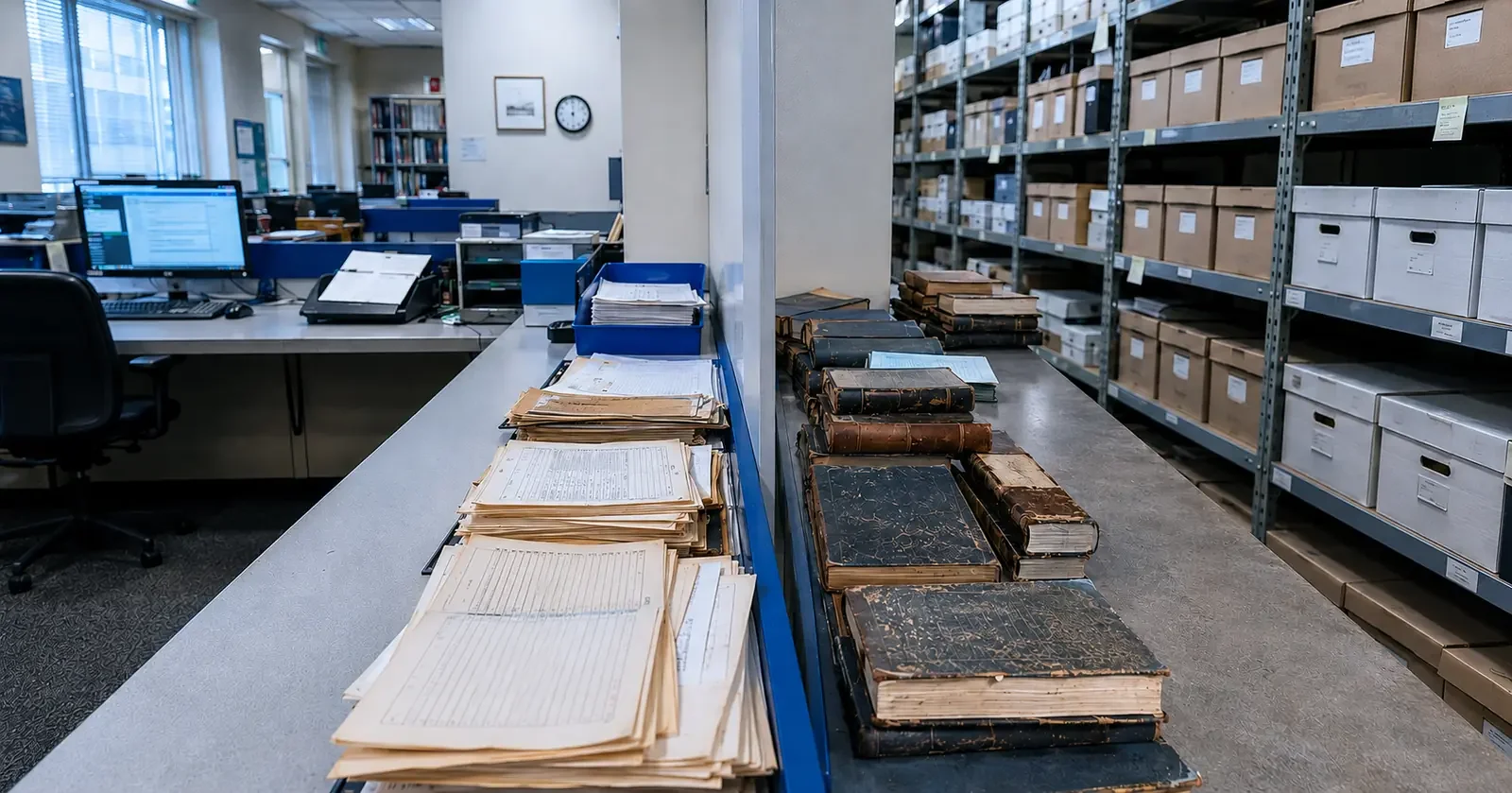
For many offices, the status quo looks something like this:

  • Books and boxes in storage

  • Shared drives with no organization

  • Scanned images on flash drives and external hard drives

  • Older records stranded outside the production system

  • No public search and no preservation plan

That is historical records management without a plan, and the cost of delaying digitization is easy to underestimate. RDS has seen staff spend 45 minutes pulling a single deed for one records request, a scenario that can repeat a dozen times before lunch. Records left this way also carry a higher risk of loss, whether from deterioration or a retiring staff member who was the only one who knew where things were. The goal is records that are protected, searchable, and easy to access, without the budget a full enterprise software implementation requires.


What Is Cyclone?

Cyclone is a cloud-based records preservation platform built specifically for government records, a form of digital archiving for government offices without the budget or implementation timeline of enterprise records software.

Cyclone is organized around four products, each built for a different job: preservation, daily staff use, public access, and indexing approval. Your office chooses the product based on how a collection is used, so you pay for what it actually needs.

Cyclone also works alongside the system your office already runs, whether that's a land records system, a case management system, or a shared drive. That's usually the first question any office asks. Cyclone doesn't replace that system. It holds the historical records the system was never designed to carry, without touching your day-to-day workflows.


How Cyclone Works

Cyclone is the delivery point for records RDS digitizes, and it works with collections your office has already scanned.

Load into Cyclone.

Images and index data load into Vault or Core, with Public if you're sharing records with citizens. For land records headed to your recording system, Certify gives your team a place to review and approve the indexed data before import. Staff search from day one, with no enterprise import project.


Four Products, Each Built for a Specific Job

Preserve records. Give staff a working system. Extend public access, or approve indexed data before it enters the recording system. Pick the product that matches the job your records actually need done.

Preserve

Cyclone Vault

A searchable records archive for older collections retrieved occasionally rather than worked in daily, including deeds, minutes, probate, and closed case files.

From $875/year

Work

Cyclone Core

The staff workspace for collections used throughout the week. Search, organization, and management for one or more staff members.

From $3,000/year

Share

Cyclone Public

A read-only public search experience that extends selected Core collections to citizens and researchers. Available with Core.

From $1,000/year

Approve

Cyclone Certify

A standalone workspace for reviewing and approving indexed land records before they are imported into the recording system. No repository required.

From $2,000/year


Cyclone Pricing

Cyclone is priced as an annual subscription, and we publish that pricing because most offices need a number before they can start an internal conversation.

Product Vault Core Public Certify
Annual price From $875 From $3,000 From $1,000 From $2,000
Best for Preservation Daily staff use Public access Indexing approval
Sold Standalone Standalone With Core Standalone

Valid packages are Vault or Core on their own, Core plus Public, or Certify on its own. Pricing reflects the base subscription. We quote digitization, indexing, and preservation services separately. Some offices fund the first year through state preservation grants and apply that funding to digitization before the subscription begins.


Which Cyclone Fits Your Records?

The right product depends on how you use a collection. A collection your staff rarely opens needs something different from one they work in every day, and you can tell the difference by asking the right questions.

Compare Vault Core Core + Public Certify
Primary need Preserve Work Share Approve
Access pattern Occasional retrieval Regular staff use Outside self-service Project review
Repository included Yes Yes Uses Core No
Key question Do we need to find it later? Do staff work in it often? Does the public need to search it? Do we approve before import?

Ask your office these four questions to help narrow it down:

  1. How often will staff retrieve these records?
  2. Will you continue to add to this collection?
  3. Is preservation the goal, or will staff actively work in it?
  4. Does anyone outside the office need direct search access?
 

Who Is Cyclone For?

Cyclone was built around specific situations.

  • Offices that never went digital: A paper-only collection, a limited budget, and no realistic path to a traditional records system, where staff pull physical books because the collection was never indexed in the first place.

  • Offices with a system that does not fit the history: The active recording or case system handles current business, but deeds, minute books, and closed case files end up stored somewhere it was never built to reach. This approach suits offices that want to modernize without disrupting daily operations.

  • Offices facing import or conversion costs: The digitization project makes sense until you add the import or conversion cost for older records to the quote.

  • County recorders, clerks, and registers of deeds: Historical deeds and other land records that require digitization, preservation, and the chain-of-title research that title companies and attorneys request every week, often surfacing during a recorder's first 90 days in office.

  • Municipal offices and small courts: Minutes, ordinances, resolutions, probate, and case files that commissioners, boards, and judges rely on but that don't belong in a large enterprise platform built for active, high-volume work. 

  • Public archives and records departments: Legacy collections that need protection, dependable search, and a preservation plan, especially the permanent records an archive must keep accessible for the long term.


Why Historical Records Do Not Need an Enterprise Platform

Loading a historical collection into an enterprise platform often adds a separate import or conversion cost on top of the license, since that software was scoped and priced for a different kind of workload. For a collection your staff pulls only occasionally, that added cost is hard to justify.

The Society of American Archivists advises organizations with limited resources to build preservation strategies to match their scale. The question is not whether Cyclone has every feature of a full enterprise platform. It’s whether your office needs a full enterprise platform for these particular records.

Cyclone is the affordable records management alternative built around that answer:

  • A lower total project cost

  • A faster start, without an enterprise implementation timeline

  • Indexing shaped by how your staff pulls records


Why Public Agencies Trust RDS With Their Records

Cyclone is built by the same company that digitizes, indexes, and preserves the records.

  • About 1,000 of the 3,100 U.S. counties served

  • 100 million+ images captured

  • 62 of Louisiana's 64 parishes

  • A 20,000 sq ft preservation lab in Dallas, opened in 2024

  • About 80 employees; founded in 2015

  • The Every Page Guarantee

  • All work done by trained RDS employees with no temporary labor

For your office, that means one accountable vendor across scanning, indexing, preservation, and access. Indexing is built to your office's own rules. Every collection passes through the same quality control process RDS uses across its government archive digitization work.


 Frequently Asked Questions

Start With One Collection

The most practical first step is one collection: the records staff pull most often, or the ones most at risk of loss. RDS will review what your office has, recommend the right product, and quote digitization and the subscription together, so you have one number to take to your commissioners, council, or board. It's an affordable way to put Cyclone to work on real records before committing the rest of the collection.

Complete the form to start with once collection.